



What Is the Most Sustainable Cup Holder for Takeaway Drinks

News

Recycled Paper Pulp Cup Holder For Sustainable Packaging 2025

2025-08-21

Recycled Paper Pulp Products Cup Holders offer PFAS-free, certified compostable solutions for takeaway packaging. Designed for global compliance, brand customization, and operational efficiency across foodservice and delivery markets.

Quick Summary: Recycled Paper Pulp Products Cup Holders are becoming the global standard for sustainable beverage packaging. In 2025, with PFAS bans, EPR regulations, and plastic-use restrictions intensifying, molded pulp drink carriers offer a PFAS-free, biodegradable, and structurally strong solution. This guide explains how to select the right cup holder based on regional composting access, certification requirements, and real-world logistics.

Context-Based Procurement for Drink Packaging Choosing the right cup holder isn’t just about appearance or cost. It’s about operational fit, regulatory alignment, and end-of-life accountability.

In dine-in scenarios, reusable stainless holders may work, but for high-volume takeaway and delivery, Recycled Paper Pulp Products Cup Holders are emerging as the most scalable, compliant, and consumer-friendly solution. This context-first guide helps you navigate options and avoid compliance pitfalls while optimizing for brand image and logistics.

What “Environmentally Friendly Cup Holder” Really Means Goal alignment. The most sustainable drink carrier meets all these:

  • Low life-cycle impact
  • Regulatory compliance (food contact, compostability)
  • Safe for users
  • Fit within available disposal systems (compost, recycling)

System boundaries matter. For reuse models, this includes cleaning infrastructure. For single-use, it means analyzing sourcing, transport, use, and disposal.
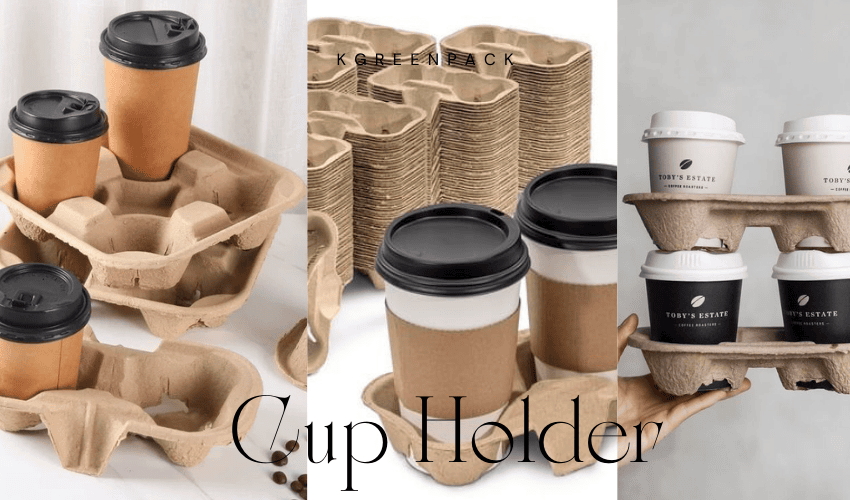
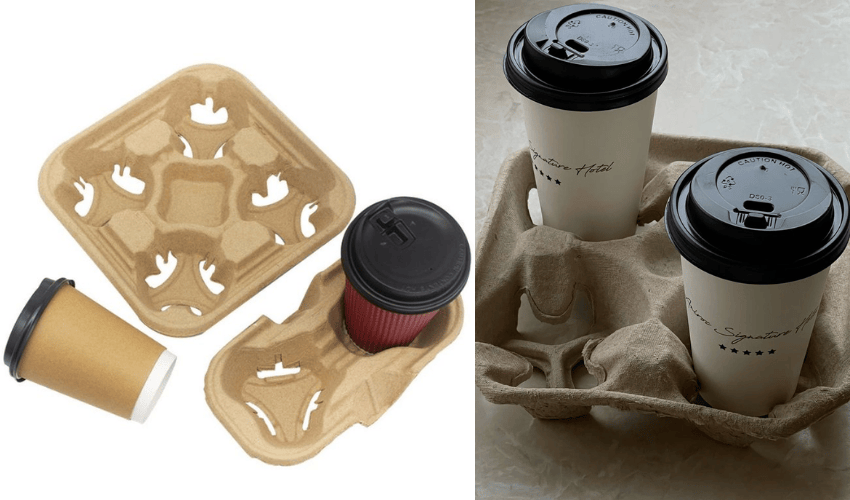
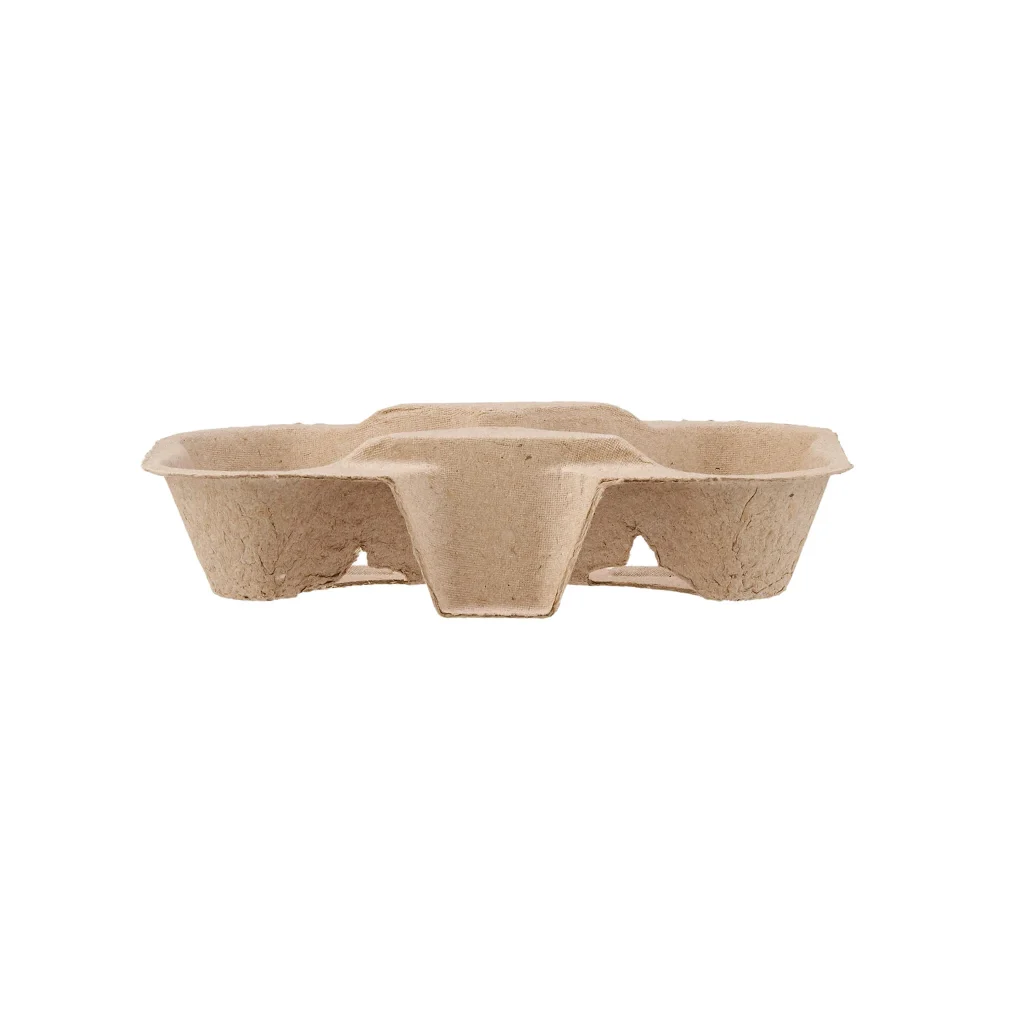
 Cup Holder

Cup Holder

Key Standards for Recycled Paper Pulp Products Cup Holder

Standard / Label Purpose / Significance
EN 13432 / ASTM D6400 Industrial compostability certification—ensures full biodegradation under controlled conditions
BPI Certification Third-party validation for composters and waste haulers; adds credibility to compostability claims
PFAS-Free Declaration Confirms total organic fluorine content is <100 ppm; ensures safety for compost quality and food contact
FSC Certification Verifies responsible fiber sourcing through chain-of-custody tracking (for any virgin fiber used)

2025 Policy Tailwinds Reshaping Drink Carrier Choices

  • EU PPWR: Pushing reusable or compostable fiber materials
  • UK: Bans on plastic takeaway accessories (including cup holders)
  • USA: Organics collection expansion + PFAS bans (state-level)
  • Asia-Pacific: Major cities enforcing waste segregation for foodservice
Data That Matters to Procurement
  • Compostable packaging is now required in NYC and LA for businesses with food waste separation.
  • PFAS limits are already enforced in over 10 US states for food contact.
  • Industrial composting access now reaches >50% of urban EU households.

Material Deep-Dive: Pulp vs. Plastic vs. Innovation

  1. Recycled Paper Pulp (Best fit)
    • Made from post-consumer waste
    • Biodegradable & compostable
    • Strong enough for 2–4 drinks
    • Accepted by most composters
  2. Molded Plastic (PS, PP, PET)
    • Durable, cheap, but non-compostable
    • Not accepted in many plastic bans
  3. Bagasse or Bamboo Molded Fiber
    • Good strength, but sourcing may lack transparency or FSC
  4. PHA Biopolymer Trays (Emerging)
    • Compostable and marine-degradable
    • Expensive, best for pilot programs
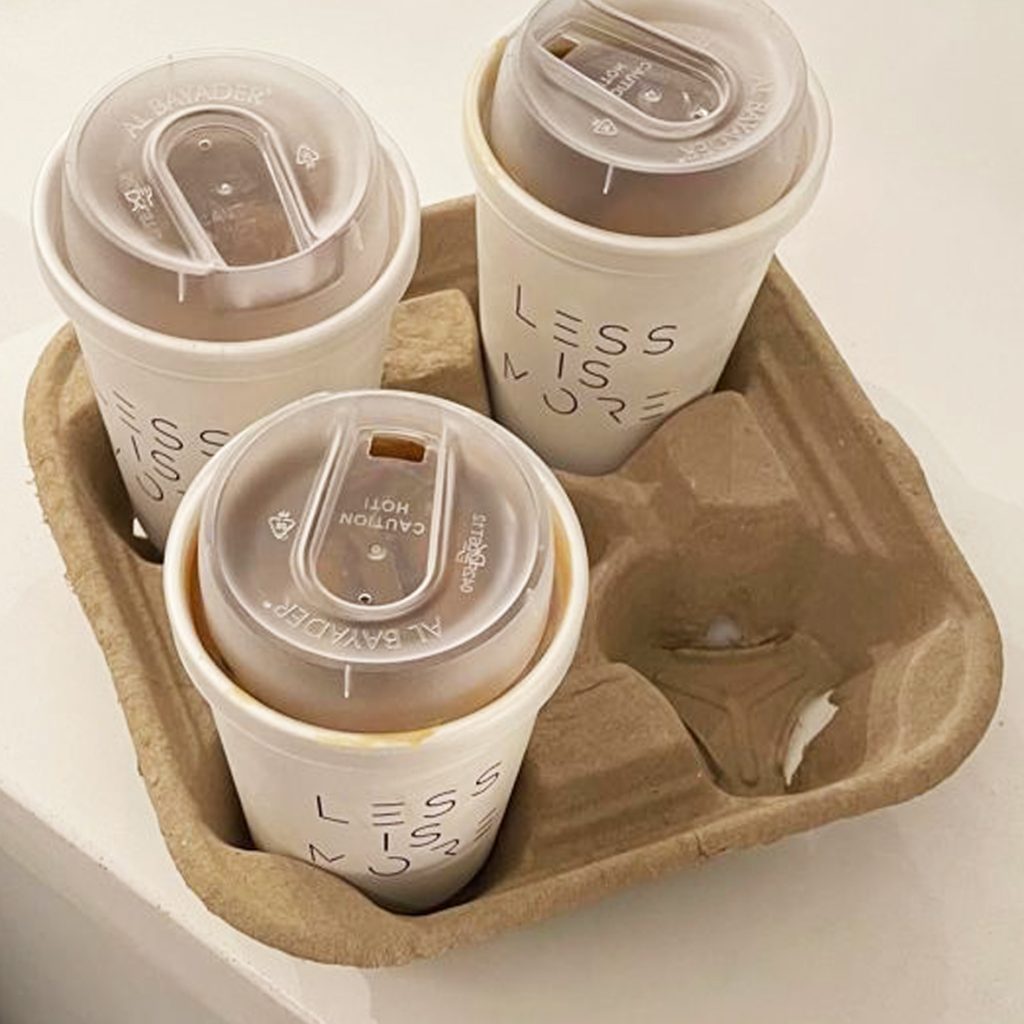
 4 Cup Holder

4 Cup Holder

Decision Framework for Foodservice Operators

  • Organics bin on site?
  • Use PFAS-free certified pulp holder
  • No composting?
  • Choose FSC-certified pulp with clean disposal messaging
  • Cold drinks only?
  • Ensure wet-strength testing has been validated
  • Delivery volume high?
  • Prioritize stackability and carton optimization

Procurement & Compliance Checklist Documents to request:

  • EN 13432 / ASTM D6400 certificate
  • PFAS-free declaration (<100 ppm fluorine)
  • Food contact safety certificate (FDA/EU)
  • FSC chain-of-custody certificate (if virgin fiber)

Labeling and Specs:

  • Molded logo embossing for brand alignment
  • Size-fit for 8oz/12oz/16oz cups
  • 2-cup, 4-cup, or custom configurations

Logistics and Packaging:

  • Stack-nestable format (saves 70% storage volume)
  • Palletized shipping with optimized counts (e.g., 2,000 pcs/carton)
  • Mixed SKU packs for fast-food brands with menu variation

Implementation Playbook

Front-of-House Operations

  • Bin Integration:Ensure all cup holders are paired with clearly labeled compost or recycling bins to support correct disposal by customers. Use icons and bin signage that reflect the packaging material.

  • Staff Communication Training:Equip cashiers and counter staff with clear, consistent language—such as “This is a compostable fiber holder”—to explain the packaging’s sustainability features and guide consumer behavior.

Back-of-House Logistics

  • Inventory Segregation:Organize storage by SKU type (e.g., 2-cup vs 4-cup) to streamline order preparation and reduce confusion during peak hours.

  • Workflow Alignment:Position cup holders near drink preparation areas to reduce handling time and support ergonomic efficiency.

  • Usage Monitoring:Track the ratio of cup holders used per drink sold to identify waste, forecast demand, and fine-tune reordering schedules.

Metrics to Monitor:

  • Compost bin contamination rates
  • Monthly spend per 1,000 drinks
  • Breakage complaints / refund triggers
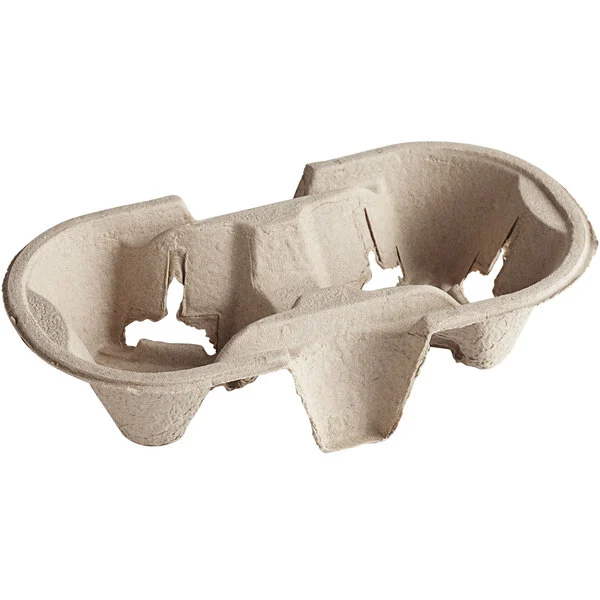
High Quality Recycled Paper Pulp Products Cup Holder

High Quality Recycled Paper Pulp Products Cup Holder

FAQs

Q1: Can paper pulp cup holders be used with iced drinks?

Yes, if wet-strength additives are tested and certified food-safe.

Q2: Are molded pulp cup holders accepted in industrial composting?

Yes—if they are EN 13432 or ASTM D6400 certified.

Q3: Do they break easily?

No. When properly molded and dried, they pass 20kg compression tests.

Q4: Can I customize them with my logo?

Absolutely. Most manufacturers support logo embossing or soy-based ink printing.

Q5: What’s the typical MOQ for custom orders?

Usually 5,000–10,000 pcs depending on configuration.
References

  • European Commission — EU Packaging and Packaging Waste Regulation (PPWR), latest updates on compostable and fiber-based food packaging for takeaway beverages. 2025.
  • European Commission — Single-Use Plastics Directive (SUPD): Implementation details regarding molded pulp vs. plastic accessories. Updated 2025-01-22.
  • GOV.UK — Guidance on plastic packaging bans for takeaway services, including cup holders, trays, and containers. Effective nationwide since October 2024.
  • Biodegradable Products Institute — Compostability certification criteria (ASTM D6400) for molded fiber products. Revised 2025 compostability test protocols.
  • BPI PFAS Policy — Limits on total organic fluorine for certified products (≤100 ppm) and declaration of “no intentionally added PFAS.” Adopted 2025.
  • BioCycle — Composting Trends in North America, with specific data on food packaging acceptance in industrial facilities. 2025-06-12.
  • UNEP — Life Cycle Analysis of takeaway drink carriers made from paper pulp, bagasse, and plastics: Environmental outcomes. 2023.
  • European Environment Agency — Plastic item prevalence in urban waste and the impact of compostable foodservice packaging. Published 2025.
  • FDA — Food Contact Notification framework for molded pulp products used in hot and cold beverages. Last updated 2024.
  • FSC — Chain of Custody Guidelines for molded pulp packaging, ensuring fiber sourcing traceability and sustainability. 2025.

Feature Product

Send Your Inquiry Today


    Home
    Products
    About Us
    Contacts

    Please leave us a message